Weed Control UK emblemWeed Control UK

    Work & Identification Gallery

    Photographs from live UK sites rather than stock imagery: what each species actually looks like at different points in the season, what treatment and excavation involve, and what the ground looks like once we hand it back. If your plant looks like anything below, send us a photograph and we will confirm the species free of charge.
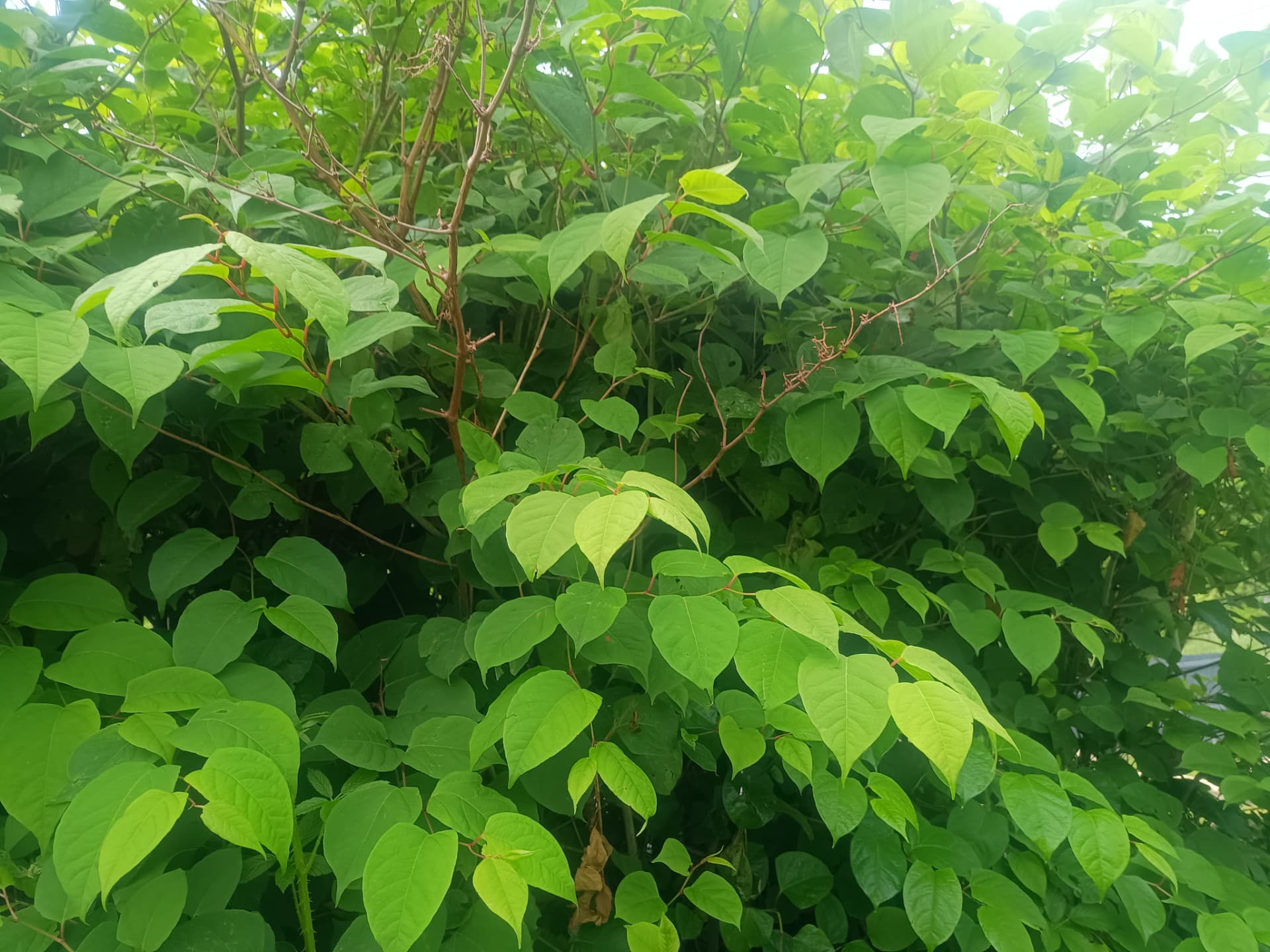
    Mature Japanese knotweed stand with bamboo-like canes in a domestic garden
    Mature knotweed stand, pre-treatmentA fully established Japanese knotweed stand at its summer height. Canes at this density normally indicate a rhizome network several metres wide, so the survey extends well beyond the visible growth.
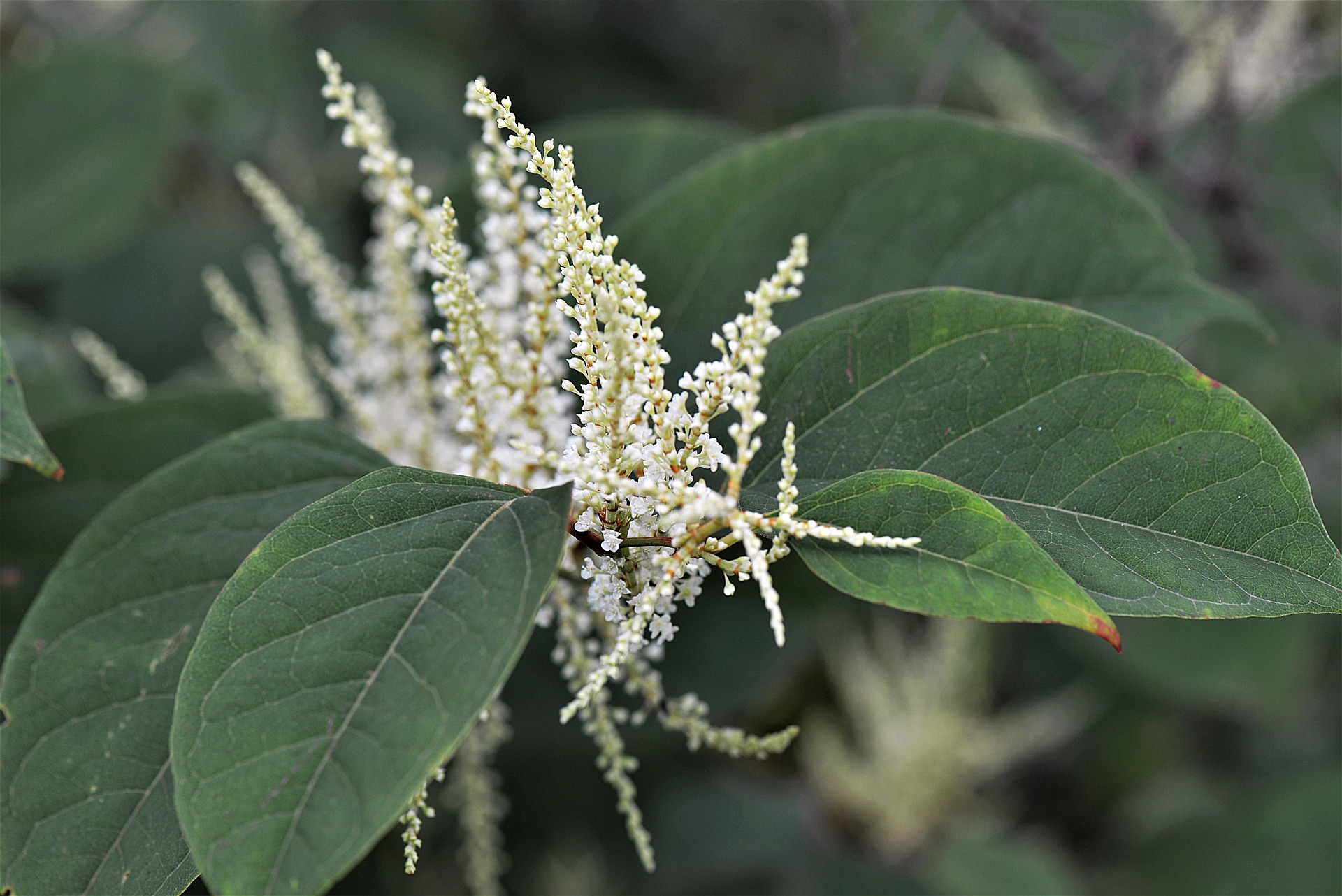
    Close-up of creamy white Japanese knotweed flower spikes in late summer
    Late-summer flowering — the best identification windowCreamy white flower spikes appear from August to September. Flowering growth also draws herbicide down into the rhizome, which is why autumn treatment is the most effective in the year.
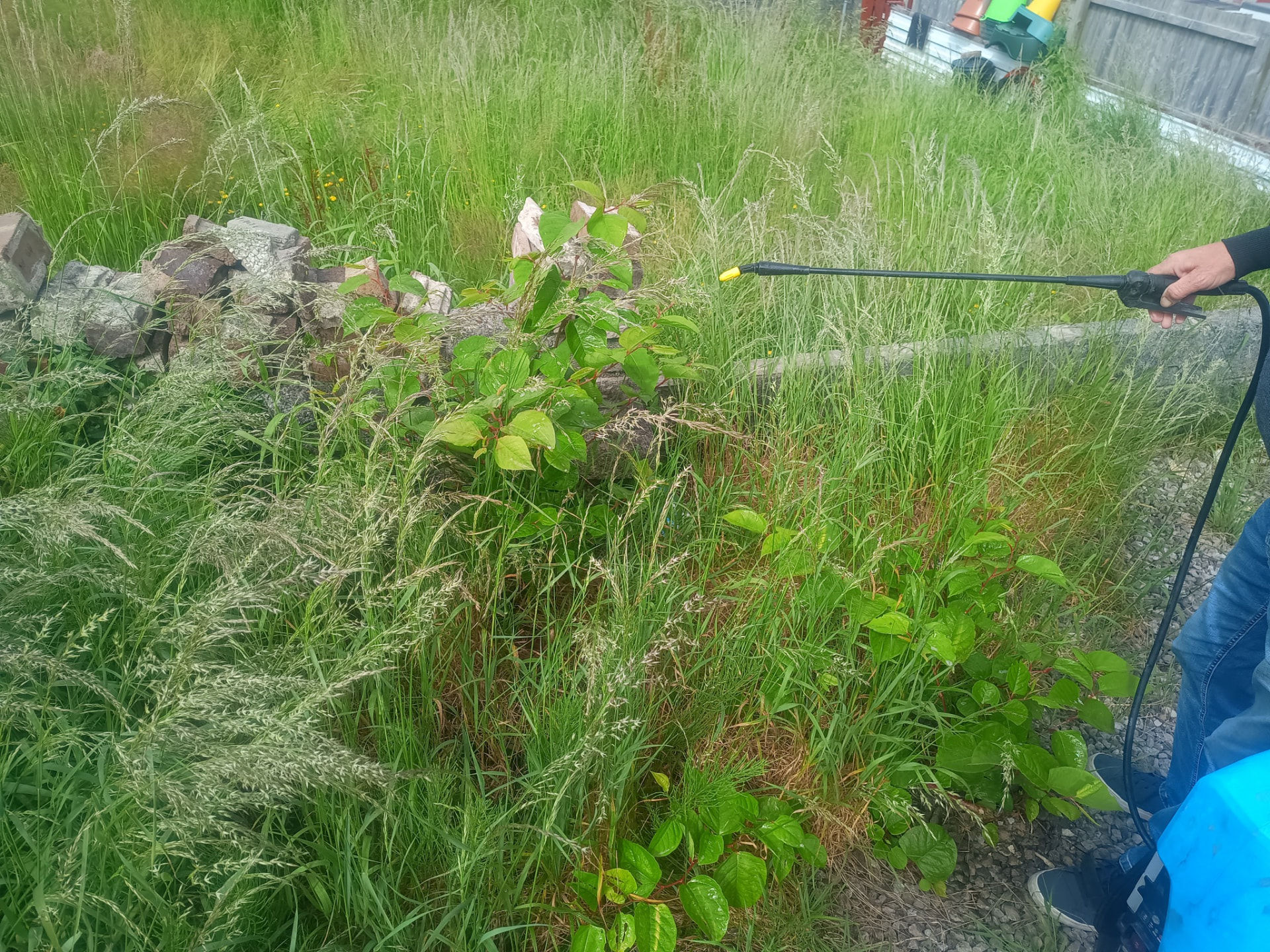
    Operator in protective equipment applying herbicide to Japanese knotweed
    Foliar herbicide application by an NPTC-qualified operatorFoliar spraying under a mortgage-compliant management plan. Every application is recorded with product, dose, weather conditions and operator so the treatment file stands up to lender scrutiny.
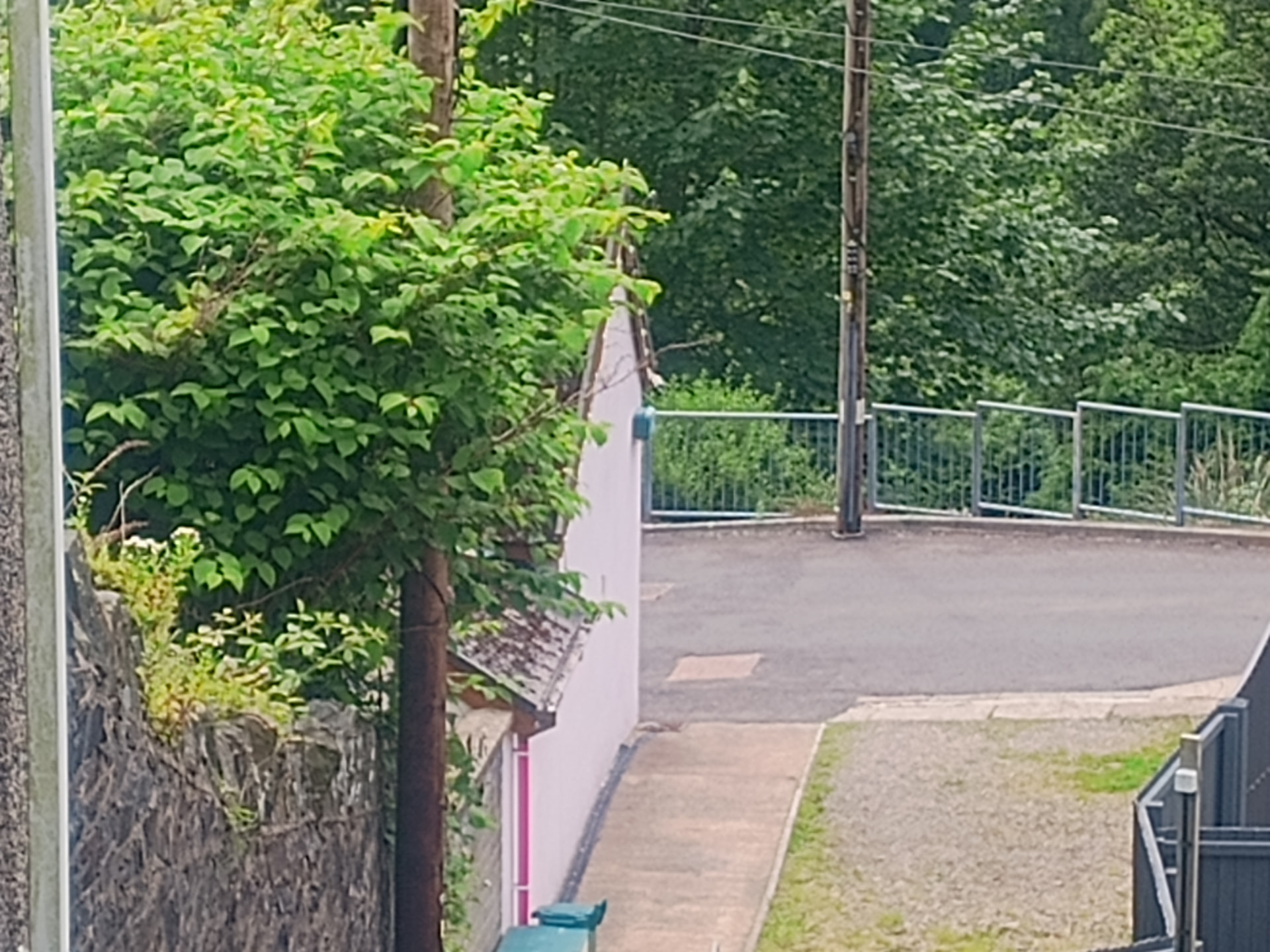
    Japanese knotweed growing along a terraced street boundary wall
    Boundary encroachment between terraced propertiesKnotweed crossing a shared boundary. These cases usually need a coordinated plan across both properties, plus written evidence for any private nuisance claim.
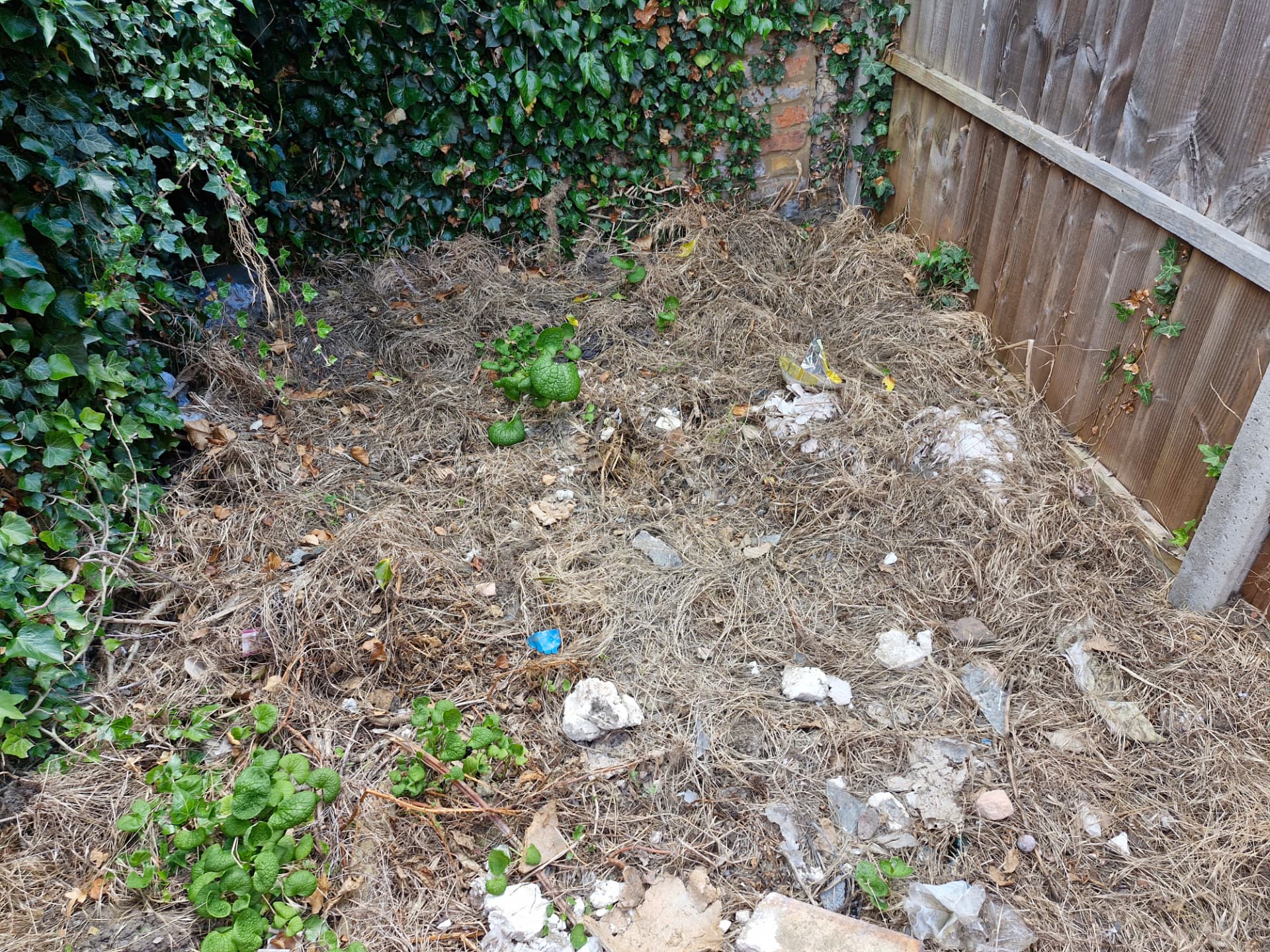
    Treated invasive weed vegetation showing yellowing and dieback
    Dieback after a full treatment seasonYellowing and collapse of treated growth. Reduced regrowth in the following season is the measure of progress — the site is not signed off until monitoring visits confirm no viable growth.
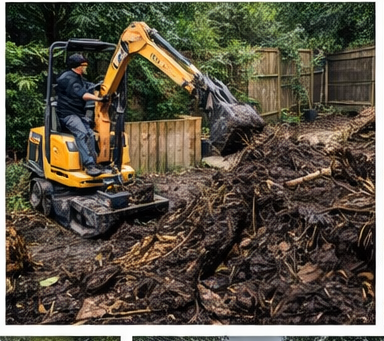
    Mechanical excavation of bamboo rhizome from a garden plot
    Full bamboo rhizome excavationRunning bamboo removed mechanically. Rhizome is traced to its full extent before backfill, because fragments left behind will re-shoot within a single season.
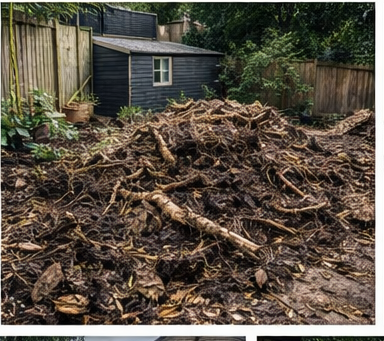
    Pile of excavated bamboo rhizome ready for licensed disposal
    Excavated rhizome awaiting licensed disposalArisings are handled as controlled waste and moved under registered carrier documentation with transfer notes retained for your file.
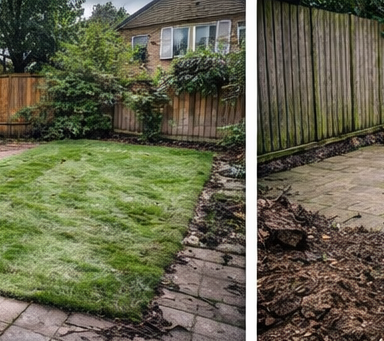
    Restored lawn where bamboo has been fully removed
    Reinstated lawn after bamboo removalThe same plot after excavation, root barrier installation and reinstatement. Barriers are welded and returned above finished ground level to stop lateral escape.
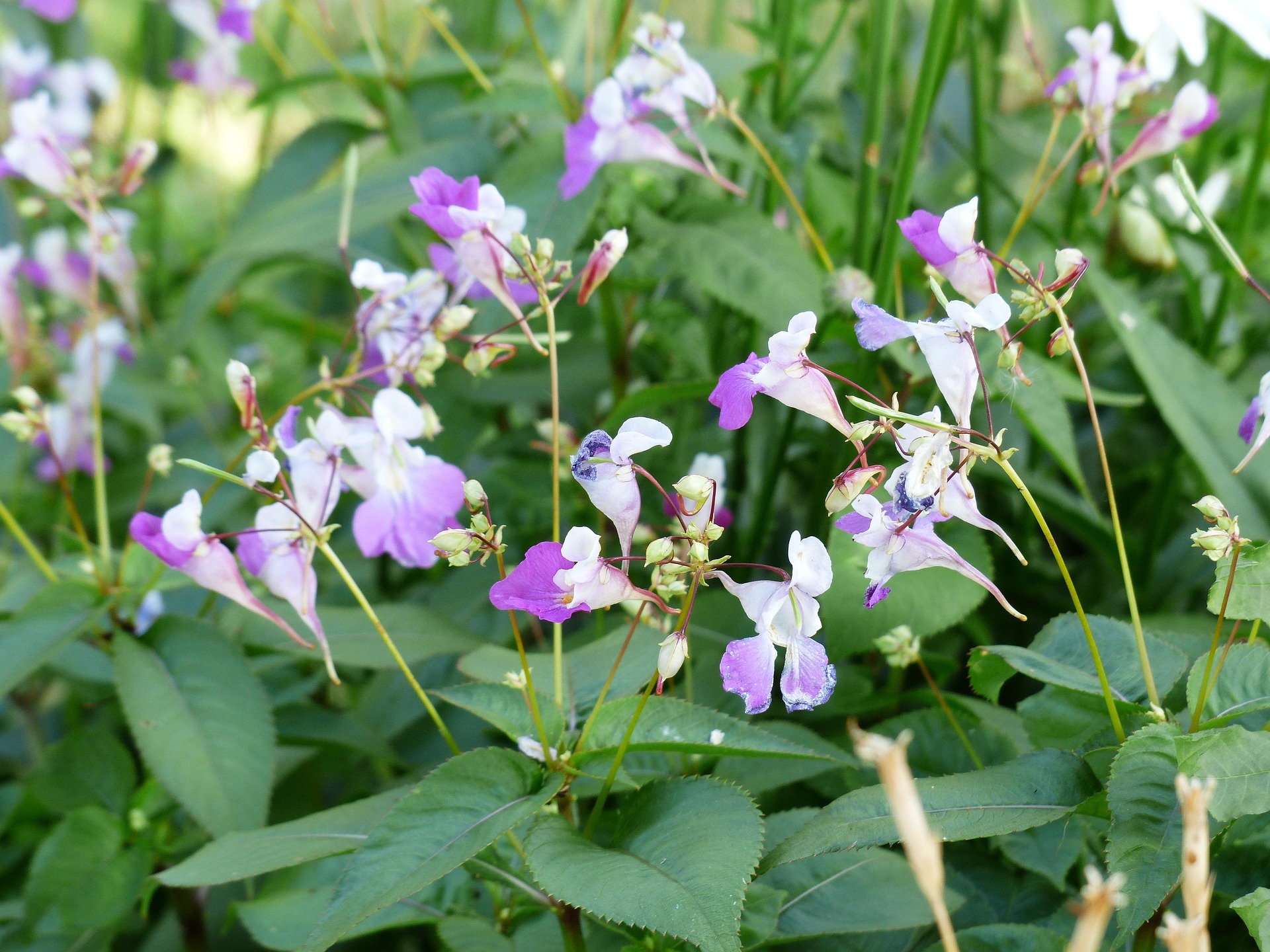
    Dense stand of Himalayan balsam in flower along a watercourse
    Himalayan balsam along a watercourseBalsam controlled from the top of the catchment downwards. Treating only the lower reaches simply invites reinfestation from upstream seed the following season.
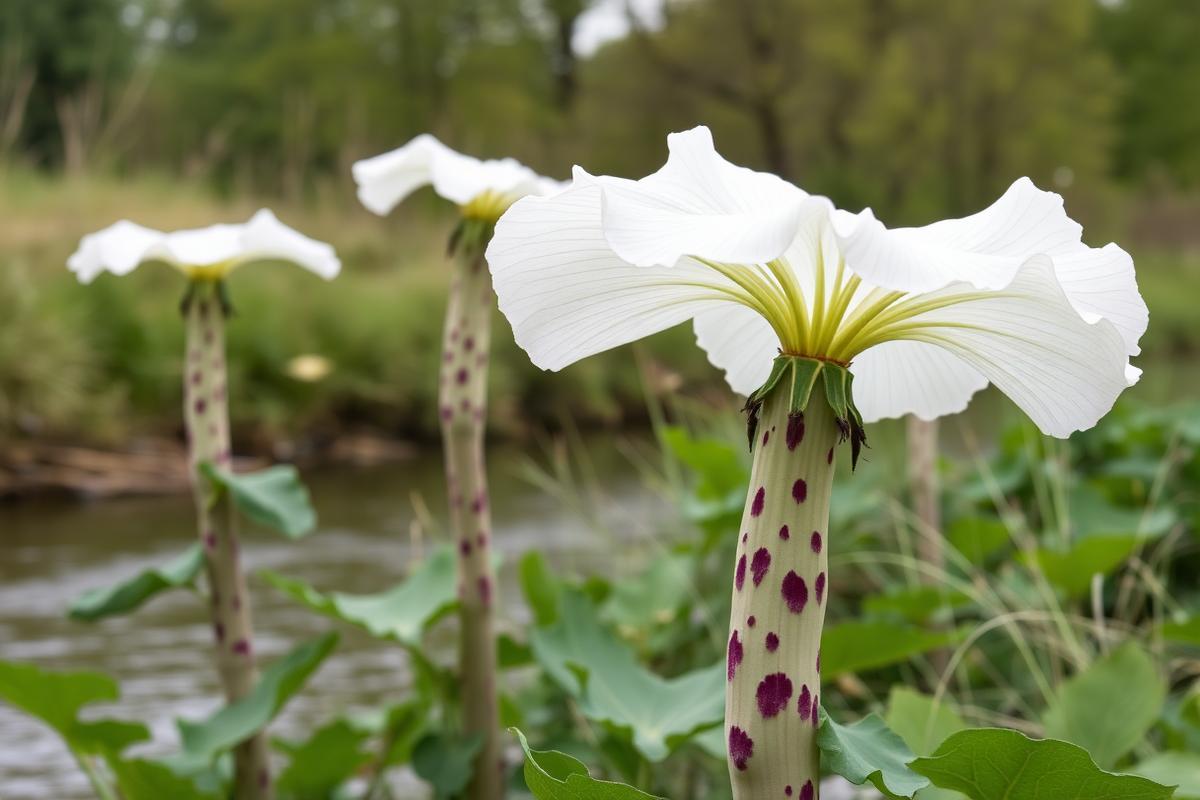
    Giant hogweed with large umbrella flower heads on a riverbank
    Giant hogweed on a riverbankGiant hogweed sap causes severe phototoxic burns. Public-access sites are cordoned and signed before any control work starts.

    Want the detail behind these jobs? Read our case studies, the identification guide or the cost guide.

    100% Free • No Obligation

    Free Online Survey

    Not sure what's growing? Upload photos through our free online survey or call 07849 464418 and our qualified experts identify 50+ species at no cost. Need someone on site? A professional survey with a full written report starts from £250.

    £10M insurance-backed guarantee
    Same-day photo identification

    No obligation. We never share your details.